On 14 December 1911, Roald Amundsen planted the Norwegian flag at the South Pole — the culmination of one of the most meticulously planned expeditions in history.
The place where that plan was tested and perfected was called Framheim.
In January 1910, Amundsen sailed south aboard the Fram — the legendary polar vessel that had already carried Fridtjof Nansen to the furthest north ever reached by a ship.
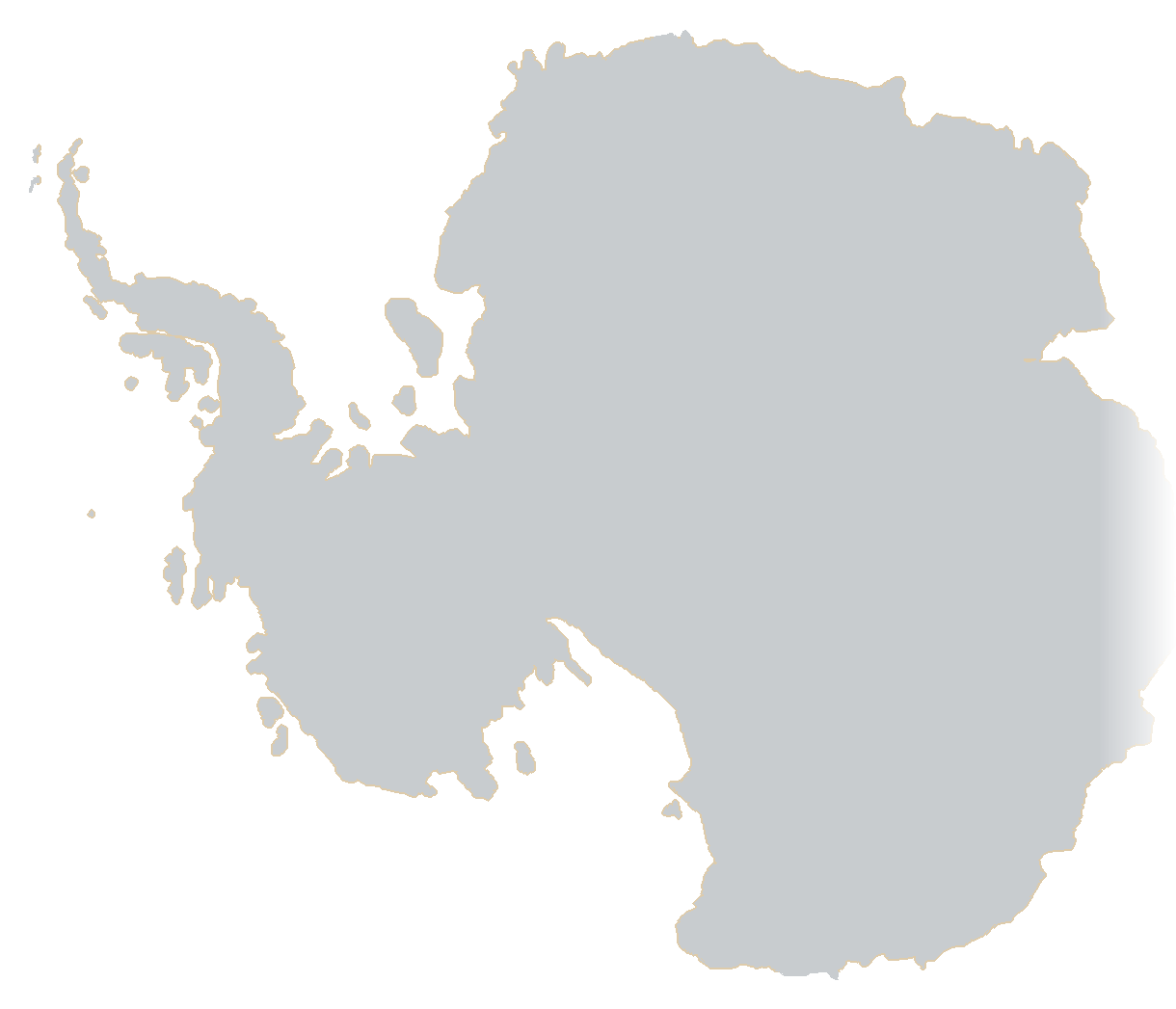
Amundsen's destination was the Bay of Whales, a sheltered inlet on the Ross Ice Shelf in Antarctica. Here, his team constructed their base and named it Framheim — Home of Fram. It was more than a camp. It was a workshop, a laboratory, and a proving ground.
Through the long polar winter, Amundsen's men were relentlessly at work. They modified their sledges, reducing weight from 83 to 24 kilograms without sacrificing strength. They recut and resewed clothing to shed unnecessary grams.
They calibrated food rations with scientific precision — calorie counts, nutritional balance, palatability on the march. They trained with their dogs, learned their characters, and built the trust that would be essential when conditions turned brutal.
Five supply depots were laid across the Barrier before the journey even began, stocked with food and fuel at carefully calculated intervals along the planned route. Nothing was left to chance.
When the party set out for the Pole on 19 October 1911, they knew exactly where their resources were, how long they would last, and what the team was capable of.
Amundsen's team covered their target distance each day — no more, no less — conserving energy, preserving discipline, and arriving with reserves intact.
After reaching the South Pole, the team returned to Framheim without a single fatality. The margin of success was not luck. It was the result of a plan executed with a precision that still commands admiration more than a century later.
The expedition was perfected and planned in detail in the hut, long before it was tested on the ice.